
 English
 Deutsch
 Русский
 العربيّة
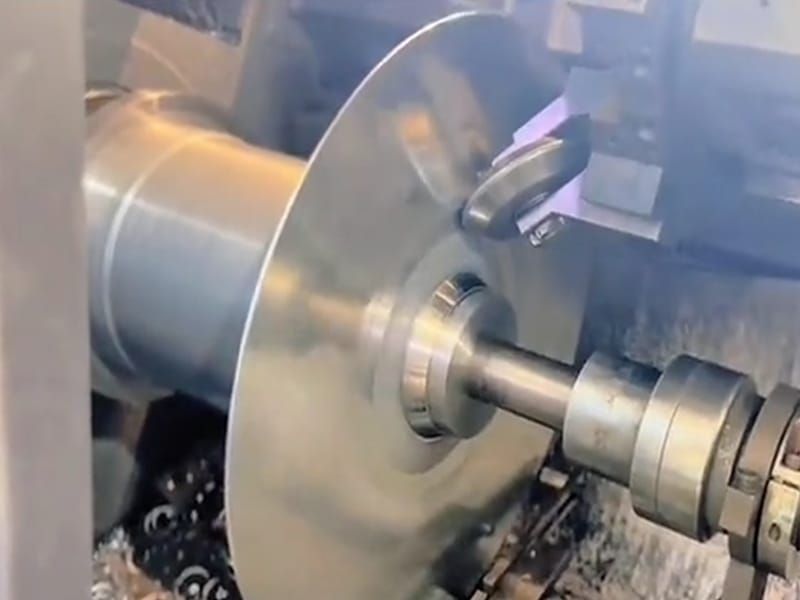
Different Types of Metal Spinning
Explore the various types of metal spinning and their applications in modern manufacturing.
Different Types of Metal Spinning
Metal spinning can be performed using a variety of lathes and processes to achieve precision and efficiency.
Metal Spinning Lathes
Metal spinning lathes are generally classified into three categories: manual, power-assisted, and automatic.
Manual Spinning Lathes: Handle flat blanks from 1.0″ to 72″ in diameter. A skilled operator shapes the metal using a forming tool. Suitable for a wide range of blanks but less efficient than automated methods.
Power-Assisted Spinning: Combines manual spinning with hydraulic cylinders to shape stronger metals, such as stainless steel and alloys. Ideal for larger, thicker parts.
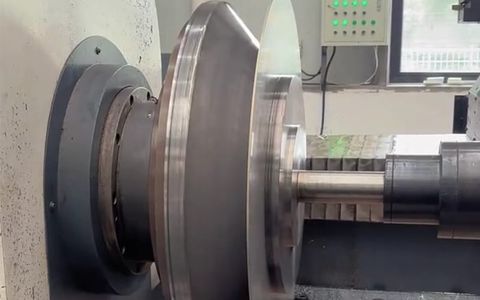
Automatic Spinning: CNC-controlled lathes automate the process, improving precision, consistency, and production efficiency. Perfect for high-volume or precision parts.
Metal Spinning Operations
Four main operations define metal spinning: conventional, shear, preforms, and edge treatment.
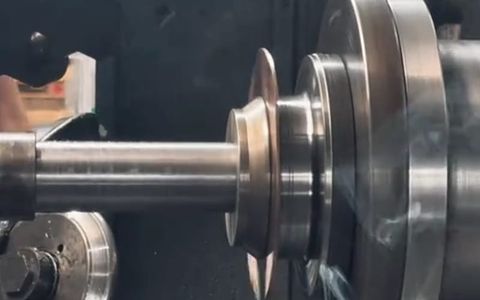
Conventional Spinning: Metal is shaped by a roller over a rotating blank in multiple passes, forming symmetrical shapes like bowls, cups, or domes.
Shear Spinning: Produces precise conical or cylindrical shapes in a single pass without excessive thinning, making it highly accurate and efficient.
Preforms: Pre-shaped blanks of sheet metal, brass, aluminum, or copper, used to optimize material use and improve repeatability.
Edge Treatment: Trimming or finishing the edges of spun parts to remove burrs, create smooth edges, and ensure compliance with specifications.
This variety of spinning methods allows manufacturers to select the most suitable process depending on material, shape, precision requirements, and production volume.
contact us and Request A Quote