
 English
 Deutsch
 Русский
 العربيّة
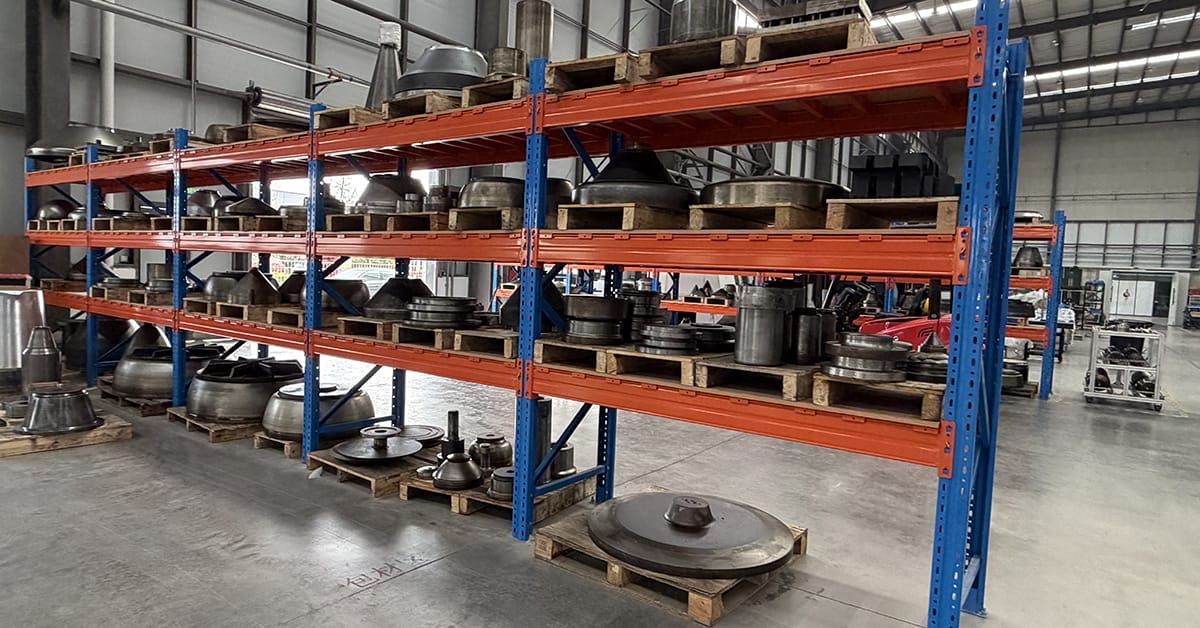
Aluminum Metal Spinning for Lightweight and High-Precision Components
Aluminum is the most widely used material in metal spinning due to its excellent formability, lightweight properties, and corrosion resistance. It is ideal for manufacturing thin-wall, large-diameter, and complex geometries, widely used in aerospace, lighting, HVAC, and industrial applications. At King Metal Spinning Co., Ltd, we specialize in precision aluminum metal spinning, delivering consistent quality from prototype to high-volume production.
Table of Contents
View More
Why Choose Aluminum for Metal Spinning Applications
Aluminum offers a unique balance of performance and manufacturability.
Key Properties:
- Lightweight (≈ 1/3 of steel)
- Excellent ductility and formability
- Good corrosion resistance
- High strength-to-weight ratio
👉 Engineering Insight:
Aluminum is ideal for applications requiring weight reduction without sacrificing structural performance.
What Aluminum Alloys Are Used in Metal Spinning
Material selection affects both forming behavior and final performance.
Common Alloys:
- 1050 / 1060 / 1070
→ high ductility, ideal for deep spinning - 5052
→ corrosion resistance and moderate strength - 6061-T6
→ structural strength and machinability - 7075
→ high-strength aerospace applications
👉 Selection Rule:
Choose based on formability vs strength vs application environment.
How to Prevent Wrinkling and Deformation in Aluminum Spinning
Challenges:
- Wrinkling in thin-wall parts
- Springback after forming
- Shape instability in large diameters
Our Solutions:
- Multi-pass forming process
- Controlled material flow
- Precision tooling design
👉 Result:
Stable forming with smooth surfaces and consistent geometry.
How to Achieve High Precision in Thin-Wall Aluminum Components
Requirements:
- Tight dimensional tolerance
- Uniform wall thickness
- Stable geometry
Our Capabilities:
- Tolerance: ±0.1 mm
- Excellent repeatability in batch production
- CNC-controlled forming process
👉 Result:
High-precision components suitable for demanding engineering applications.
How Aluminum Improves Weight Reduction and Structural Efficiency
Aluminum is widely used in applications where weight is critical.
Applications:
- Aerospace structures
- HVAC airflow components
- Industrial housings
Performance Benefits:
- Reduced system weight
- Improved energy efficiency
- Easier handling and installation
👉 Result:
Optimized performance with lower material and operational costs.
How Aluminum Enhances Corrosion Resistance in Outdoor Applications
Problem:
Outdoor and industrial environments expose components to moisture and corrosion.
Solution:
- Natural oxide layer protection
- Optional anodizing or coating
- Surface finishing for enhanced durability
👉 Result:
Improved lifespan and reduced maintenance requirements.
What Tolerances Can Be Achieved in Aluminum Metal Spinning
- Typical tolerance: ±0.1 mm
- Thin-wall precision forming
- High consistency across batches
👉 Key Advantage:
Aluminum enables stable precision control with minimal forming defects.
Aluminum Metal Spinning Capabilities
- Max diameter: Ø2500 mm
- Material thickness: up to 20 mm
- Thin-wall and large-diameter forming
Processes:
- Deep spinning
- Flow forming
- Shear spinning
Secondary operations:
- CNC machining
- Anodizing
- Polishing and finishing
Aluminum Metal Spinning Applications
Case 1: Aerospace Lightweight Component
- Alloy: high-strength aluminum
- Requirement: weight reduction + precision
👉 Solved Problem:
Achieved lightweight structure with high dimensional accuracy.
Case 2: Lighting Reflector
- Alloy: 1060 aluminum
- Surface: polished / anodized
👉 Solved Problem:
Delivered high reflectivity and smooth optical surface.
Case 3: HVAC Ventilation Component
- Structure: large-diameter thin-wall
👉 Solved Problem:
Improved airflow efficiency with reduced weight.
Aluminum vs Stainless Steel in Metal Spinning
| Property | Aluminum | Stainless Steel |
|---|---|---|
|
Weight |
Very Light |
Heavy |
👉 Conclusion:
Aluminum is best suited for lightweight and cost-efficient applications, while stainless steel is preferred for extreme corrosion resistance.
Related Applications and Materials
Aluminum metal spinning is widely used in:
- Aerospace components
- Lighting systems
- HVAC applications
- Industrial equipment
Request a Quote for Aluminum Metal Spinning
We support:
- Custom aluminum components
- Prototype and batch production
- Engineering support for complex designs
👉 Upload your drawings and receive a quotation within 24 hours.